
Quantitative
Testing for ACL
Recovery

Return to sport safely with clear benchmarks, expert guidance, and elite performance testing. We don't just heal your knee. We rebuild your athletic capacity.

Pre-Op

Pre-Surgery

Post-Op

After Surgery

Phase 1

Weeks 0–4

Phase 2

Weeks 5–12+

Phase 3

Weeks 20-36

Three Tools That Drive Every Decision

A structured, milestone-based approach to ensure you earn the right to progress at every stage of your recovery.
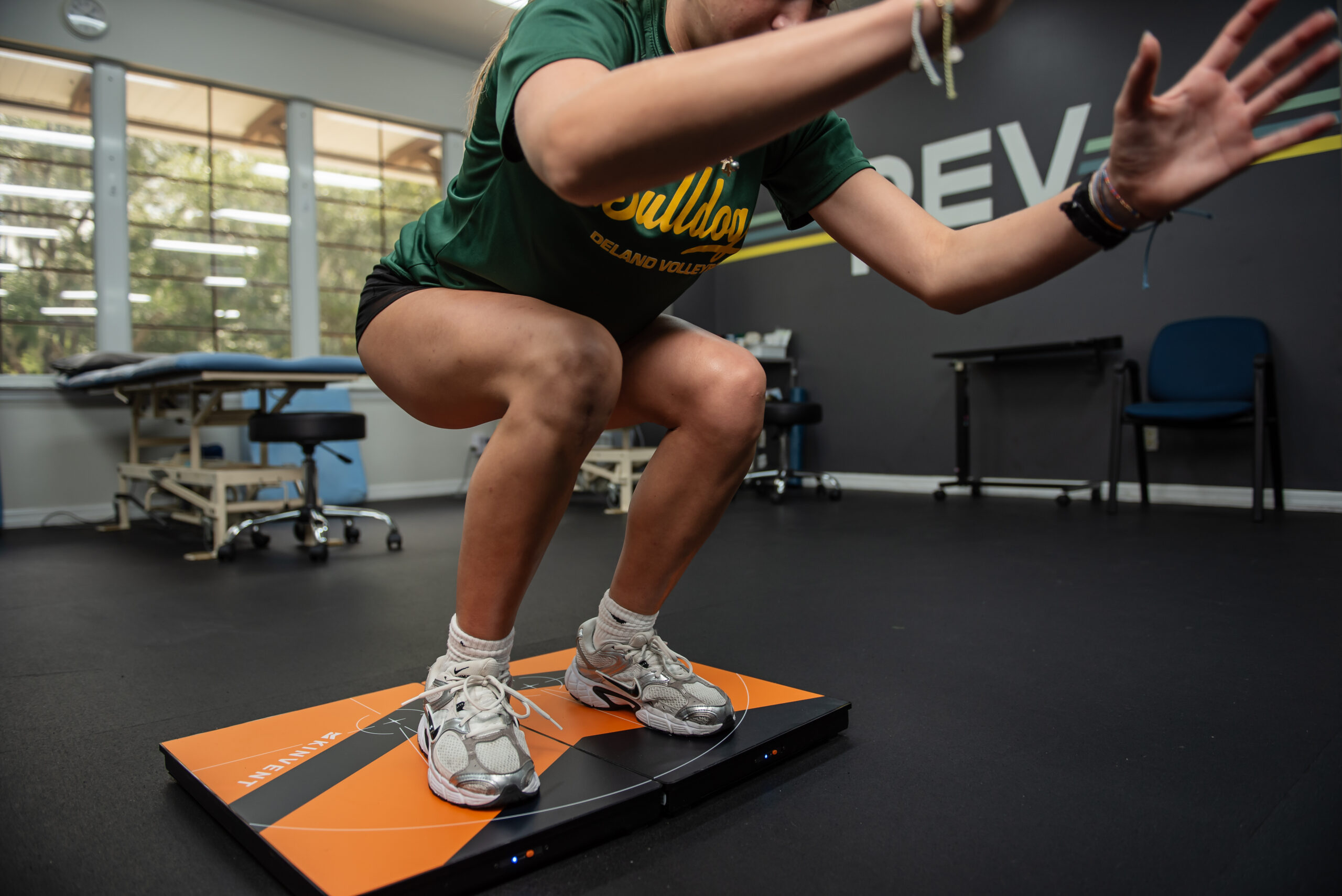
Force Plates

Build the Foundation Early

Reduce surgical stress and restore basic function so your knee can handle load again.
Primary Goals
  • Reduce swelling and inflammation
  • Restore full knee extension and flexion
  • Activate the quadriceps
  • Normalize walking mechanics
Interventions
  • Progressive weight-bearing
  • NMES & BFR for early strength

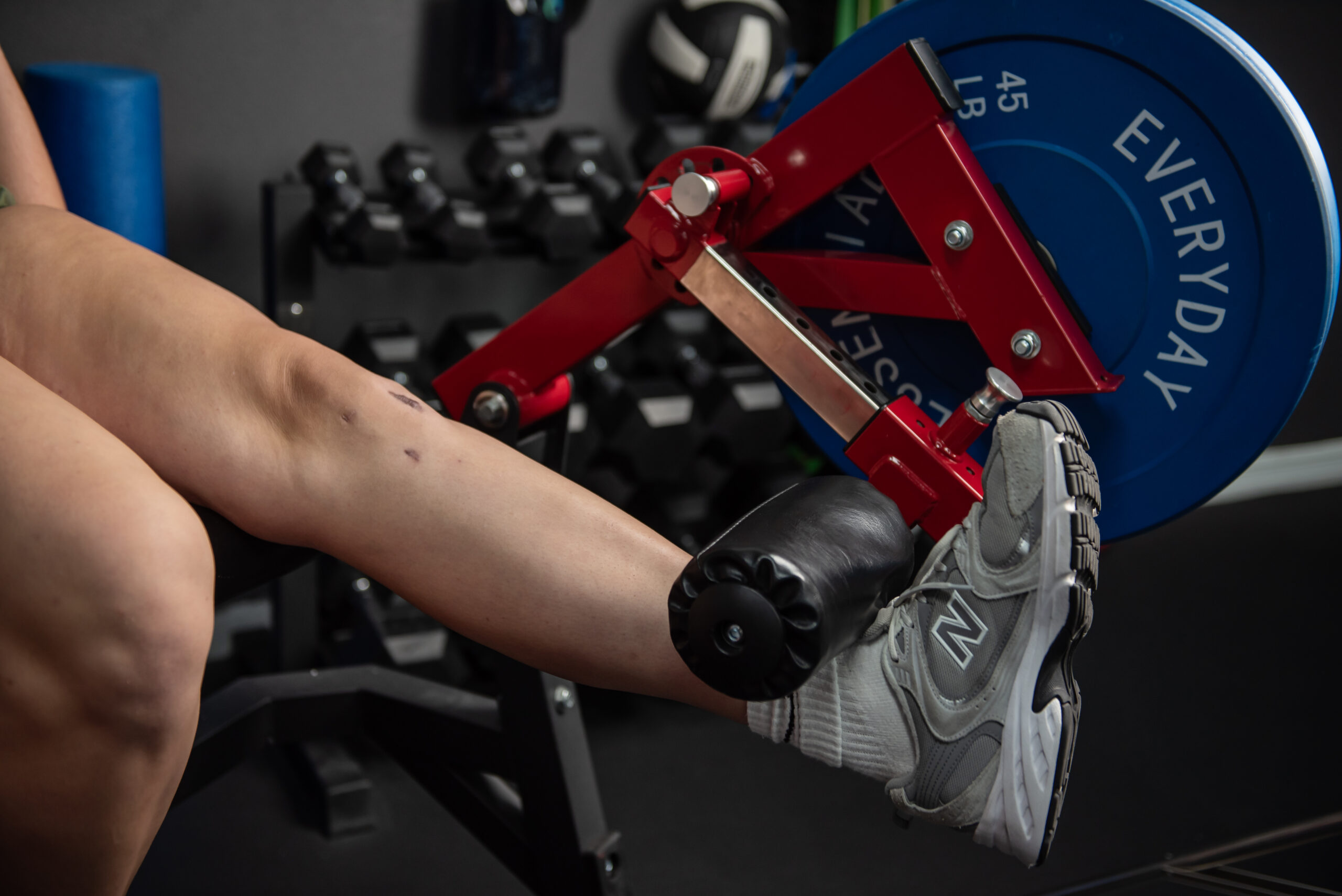
Tindeq Dynamometer

Earn the Right to Progress

Develop enough strength and control to safely reintroduce running and higher impact.

Focus Areas
  • Quadriceps strength development
  • Single-leg control and endurance
  • Deceleration and movement control
Running Criteria

Introduced only when strength benchmarks are met, not just based on time. Structured loading progression.
Functional Testing

From Strength to Performance

Prepare for the chaotic demands of sport through higher-level strength, power, and agility work.

Key Benchmarks
  • Quad strength ≥ 90% symmetry
  • Hamstring-to-quad strength balance
  • Advanced strength and control testing
Performance Focus
  • Power production & Force absorption
  • Change of direction
  • Sport-specific movement
What we measure and when

Our Testing Toolkit

At REV, every progression is gated by data. Here is the equipment and the test batteries we use across phases of ACL recovery.

Force plates

Quantitative jump and landing mechanics. Force plates measure ground reaction force, asymmetry between sides, and reactive strength index. Used heavily for return-to-sport clearance, where visual assessment is not sensitive enough to detect compensations.

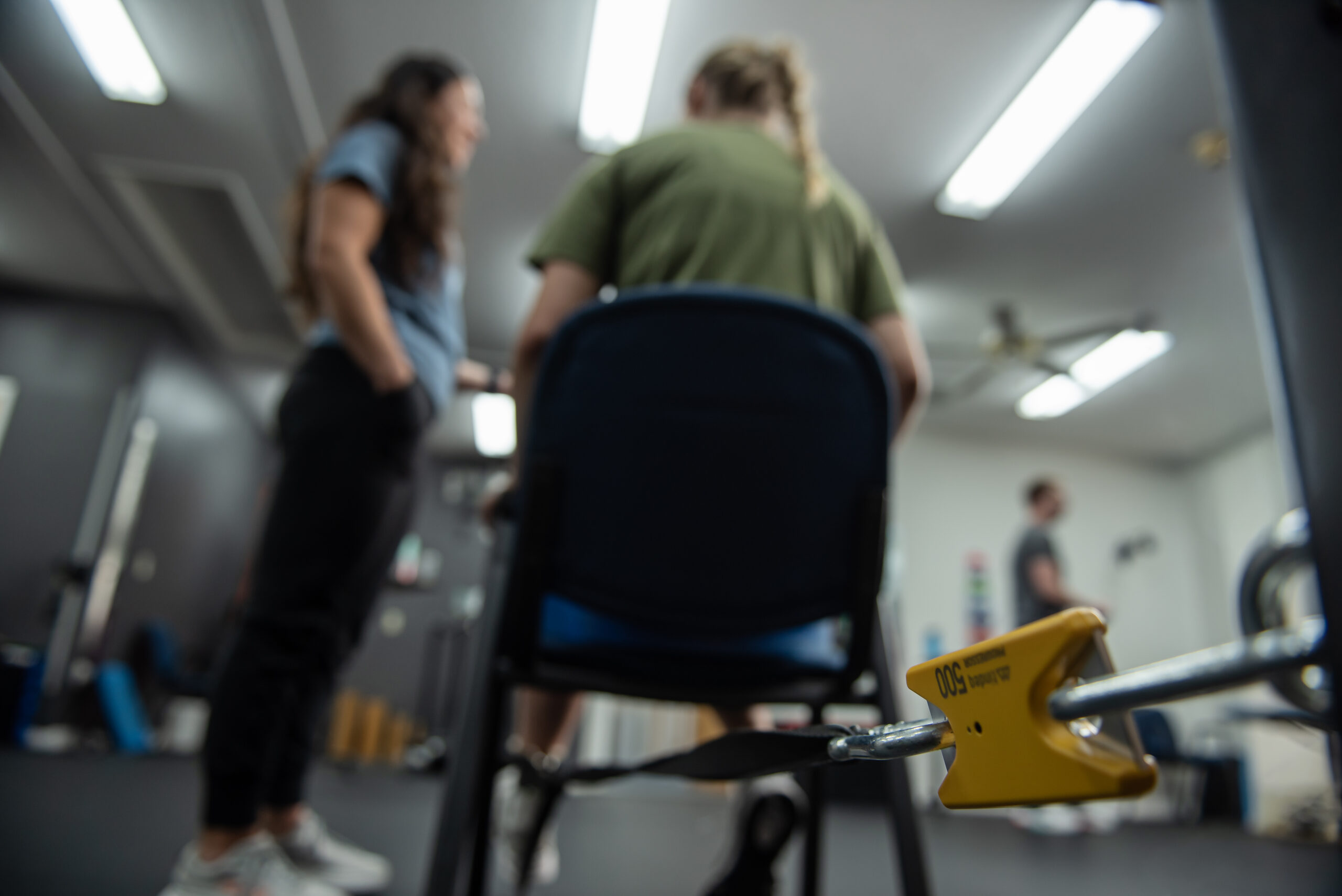
Tindeq dynamometer

Objective measurement of muscle strength. We compare surgical-leg quadriceps and hamstring strength as a percentage of the non-surgical leg (LSI = Limb Symmetry Index). The Tindeq drives our return-to-run clearance at 70–80% LSI and our return-to-sport clearance at 90% or higher LSI.

Functional testing

On-floor tests that capture how strength translates into movement under load:

  • Single-leg step-downs from an 8-inch box
  • Anterior tap down from a 12-inch box
  • Rear Foot Elevated Split Squat (RFESS)
  • Lateral box squat
  • Skater squat (to airex pad)
  • Triple hop test
  • 5-10-5 pro agility
  • 300-yard shuttle
What we measure and when

Phase-by-Phase Testing Batteries

Return to Run testing battery

  • Force plates
  • Tindeq strength assessment
  • Anterior tap down test
  • Single-leg vertical hop test

Return to Sport testing battery

  • Quad strength testing. 95% LSI minimum.
  • Hamstring strength. Tested via Tindeq.
  • RFESS test. Thigh parallel to floor, 50% bodyweight for 10 reps.
  • Lateral box squat test. Thigh parallel to floor, 33% bodyweight for 10 reps.
  • Skater squat test. To airex pad, 10 reps.
  • 5-10-5 pro agility test. Starting right and starting left.
  • 300-yard shuttle. 20 yards x 15 reps as fast as possible, alternating turn directions to keep both sides even.

How testing fits the phases

Pre-op and Phase 1 establish a strength baseline using Tindeq. Phase 2 uses Tindeq plus on-floor benchmarks to clear return to run. Phase 3 layers force plates and sport-specific agility on top of strength testing to clear return to sport. Re-testing happens every 3–4 weeks during Phase 3 to drive progressive program adjustments.

Return to Run vs. Return to Sport

We progress you from controlled return to running to advanced sport readiness, building strength, stability, and confidence for high demand movements.


Return to Run

Focused on endurance and repeated loading capacity.

Key Question:

Can your body handle continuous impact?

Return to Sport

Focused on power, control, and unpredictability.

Key Question:

Can your body handle chaos, speed, and force?

When Testing Happens

From pre-surgery prep to full return to sport, each phase has a purpose. Our process is built around clear benchmarks, advanced testing, and a plan that adapts to you.

Want to Know Where You Stand?

Don't leave your recovery to chance. Get a data-driven plan designed for elite performance.