Return to sport safely with clear benchmarks, expert guidance, and elite performance testing. We don't just heal your knee. We rebuild your athletic capacity.
A structured, milestone-based approach to ensure you earn the right to progress at every stage of your recovery.
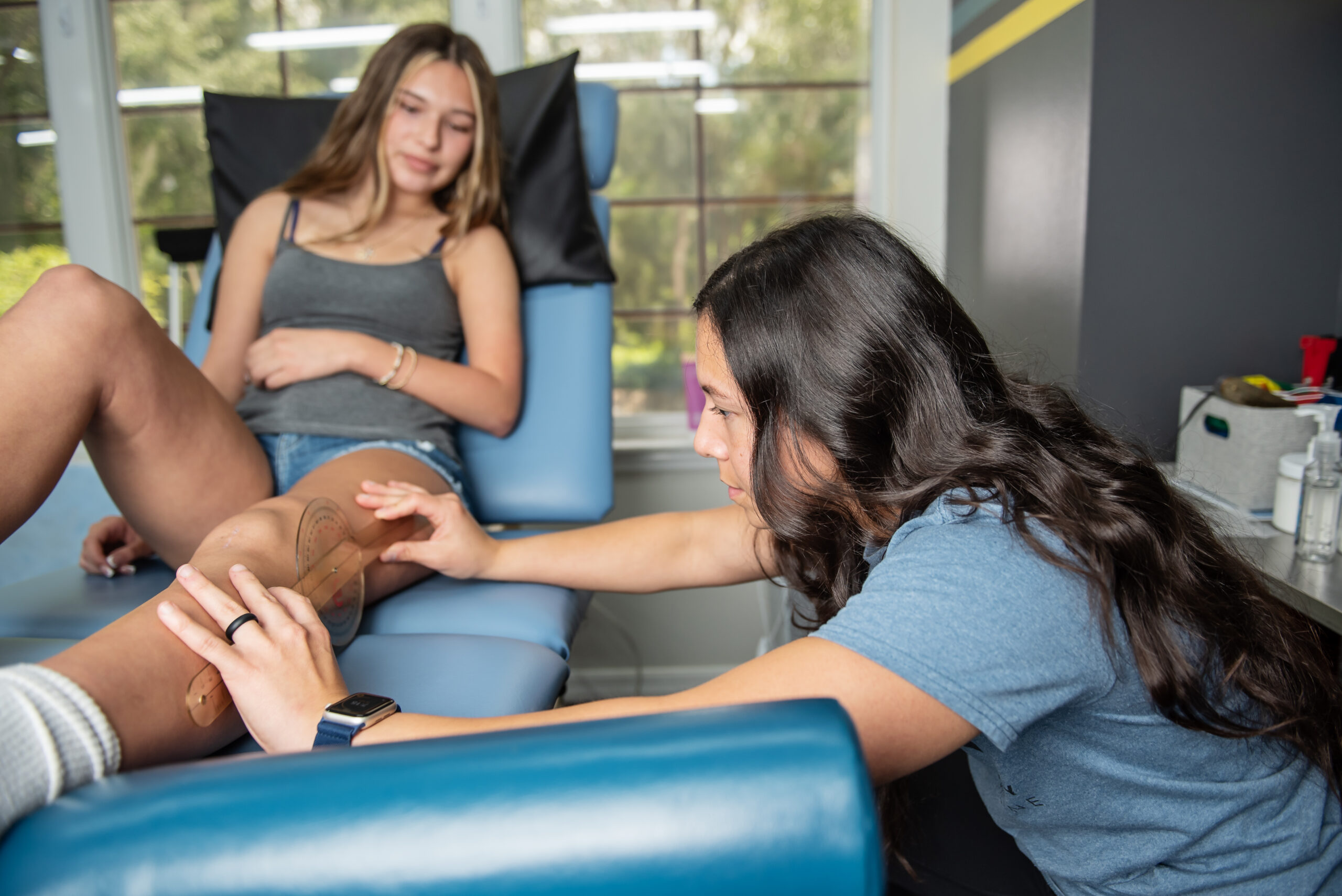
Reduce surgical stress and restore basic function so your knee can handle load again.
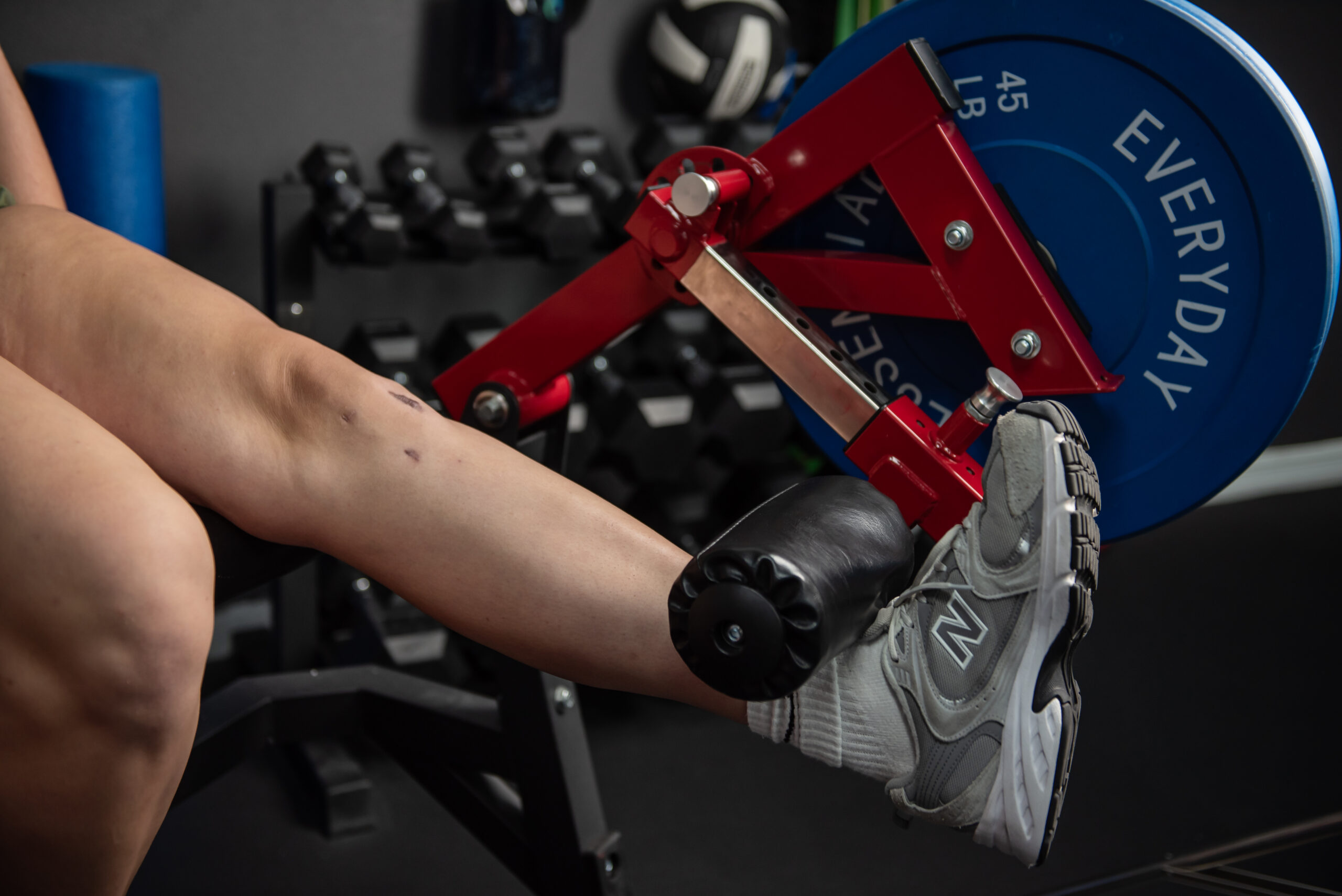
Develop enough strength and control to safely reintroduce running and higher impact.
Introduced only when strength benchmarks are met, not just based on time. Structured loading progression.
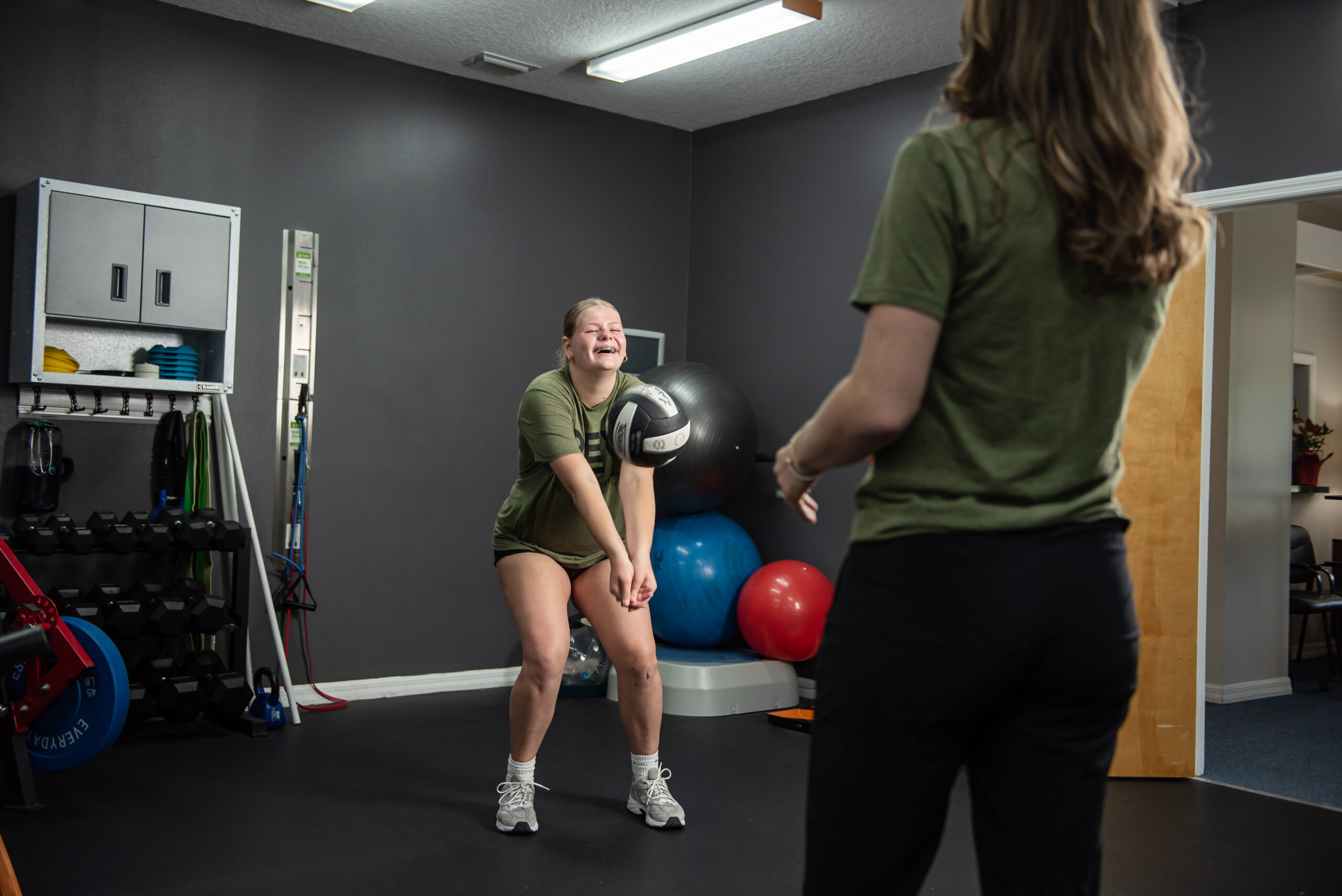
Prepare for the chaotic demands of sport through higher-level strength, power, and agility work.
REV PT & Sports Medicine is family-owned and operated. From the moment you walk through our doors, you’re more than a chart number. You’re treated like family, with care that’s individualized, optimistic, and most importantly, heard.
That’s the foundation. What sets REV apart for ACL recovery is what happens next: a program built on objective data, not generic calendar weeks.
Every patient moves through three phases with measurable milestones. Phase 1 (Restoration) focuses on resolving post-surgical swelling, full knee extension, and reactivating your quadriceps. Phase 2 (Return to Run) adds objective strength testing and a guided return-to-running program no earlier than 12 weeks post-surgery. Phase 3 (Return to Sport) requires at minimum 90% quad strength symmetry, hop testing, and sport-specific agility work such as the 5-10-5 and 300-yard shuttle before you step back on the field or court.
Stronger going in means better outcomes coming out. We work with patients before surgery on quad strength, range of motion, and what to expect on the other side, because better pre-op prep meaningfully improves post-op recovery.
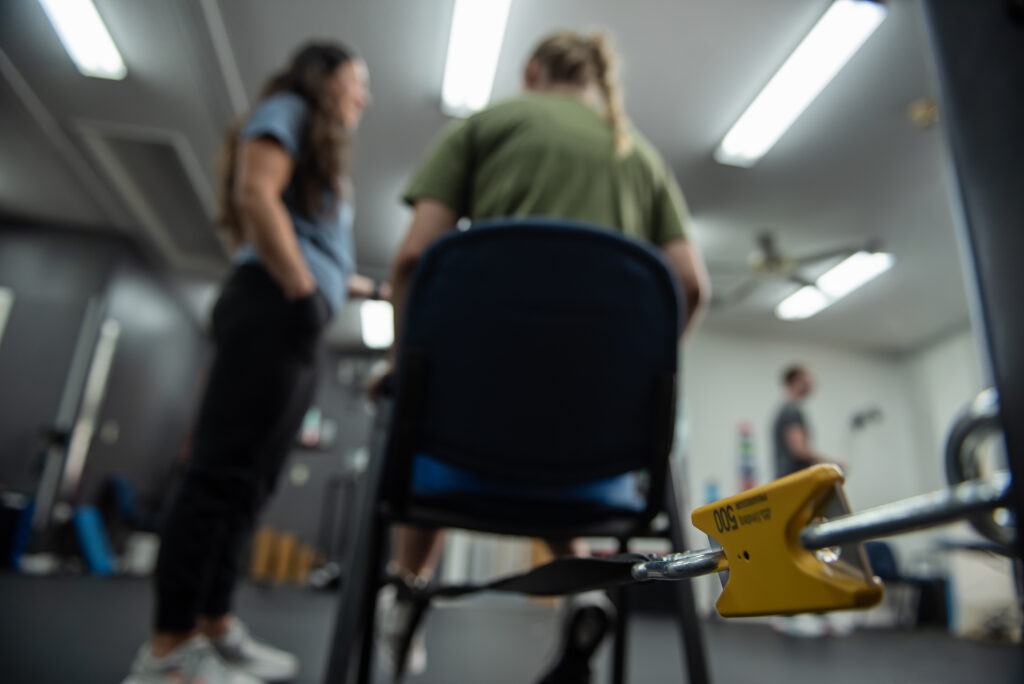
We progress you from controlled return to running to advanced sport readiness, building strength, stability, and confidence for high demand movements.
Can your body handle continuous impact?
Can your body handle chaos, speed, and force?
From pre-surgery prep to full return to sport, each phase has a purpose. Our process is built around clear benchmarks, advanced testing, and a plan that adapts to you.
Clear Answers at Every Stage
Return to run is based on both time since surgical intervention as well as quantitative testing. These tests include:
Deceleration training: Successfully performing drills that focus on slowing down, maintaining control through the knee without compensation or pain.
Like return to run, return to sport is based both on quantitative testing, as well as time since surgery. Generally, return to sport does not occur before 9 months post-operatively. These tests include:
Crutches are generally discharged when you are able to perform terminal knee extension independently and without quad lag. This is defined as the inability to perform a “heel pop” when performing quad activation in a long-sitting position, or when you are unable to keep your knee straight as you start to lift your leg from the table.. This should also be achieved in a standing position comfortably and without evidence of inability to maintain this position.
The decision is always yours! Generally, younger, active individuals involved in a sport setting are recommended to undergo surgical intervention. There are some research articles to indicate non-surgical healing or positive non-surgical outcomes in certain populations.
We will start by unlocking the brace once you have enough quad strength and control to walk safely. Your knee should be able to support your body without giving out.
After that, you’ll still use crutches for support as your walking continues to improve. When you can walk smoothly and confidently without pain or instability, we will gradually wean you off the crutches.
Criteria:
Your first visit focuses on understanding your goals and creating a plan. We will:
Clicking and popping is normal following surgery especially as we start initiating movement. If you are concerned about it, ask your rehab specialist or you surgeon.
Don't leave your recovery to chance. Get a data-driven plan designed for elite performance.