ACL Recovery
in Action

Return to sport safely with clear benchmarks, expert guidance, and elite performance testing. We don't just heal your knee. We rebuild your athletic capacity.

Pre-Op

Pre-Surgery

Post-Op

After Surgery

Phase 1

Weeks 0–4

Phase 2

Weeks 5–12+

Phase 3

Weeks 20-36

ACL by the Numbers

A structured, milestone-based approach to ensure you earn the right to progress at every stage of your recovery.
100K+ Per Year

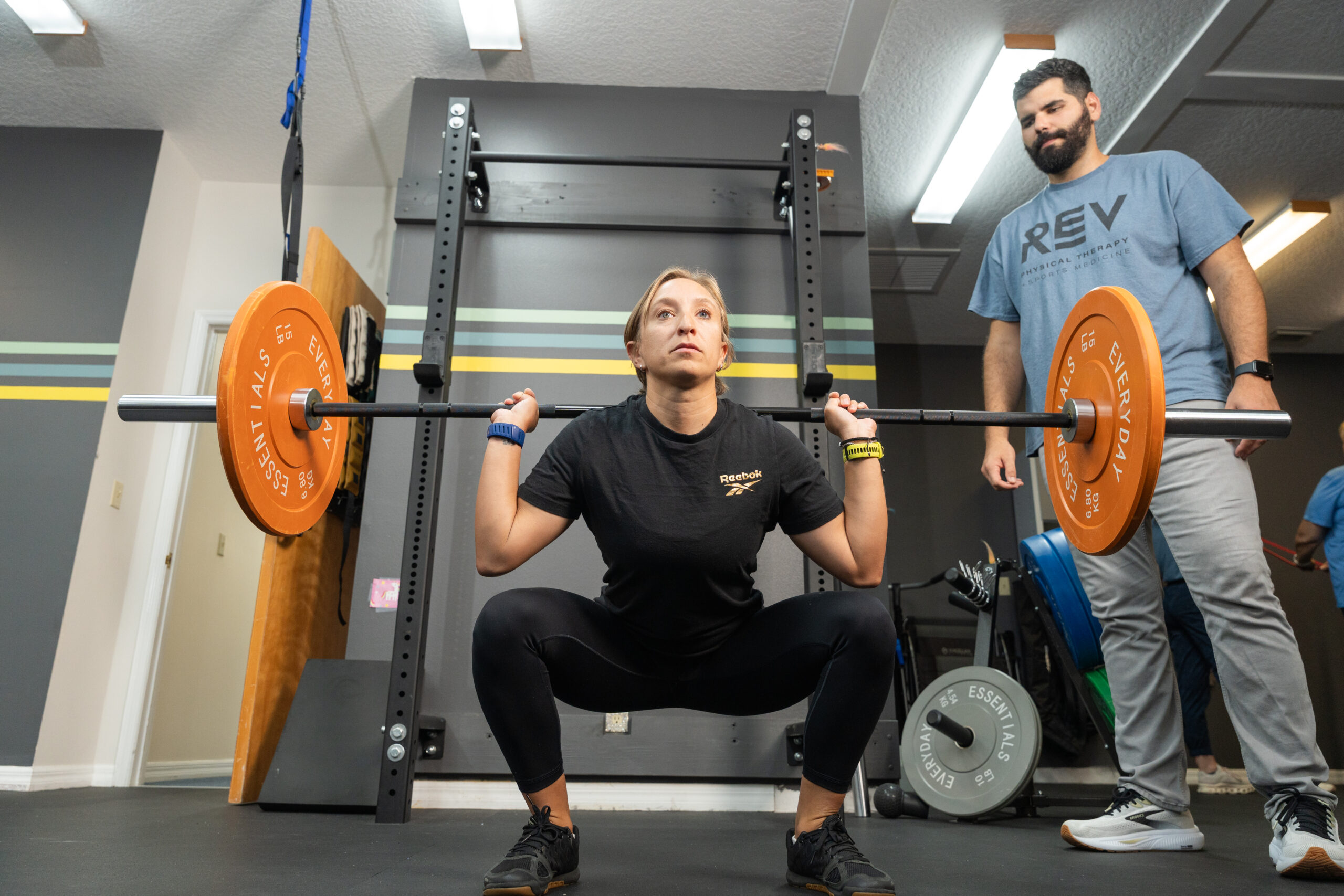
Build the Foundation Early

Reduce surgical stress and restore basic function so your knee can handle load again.
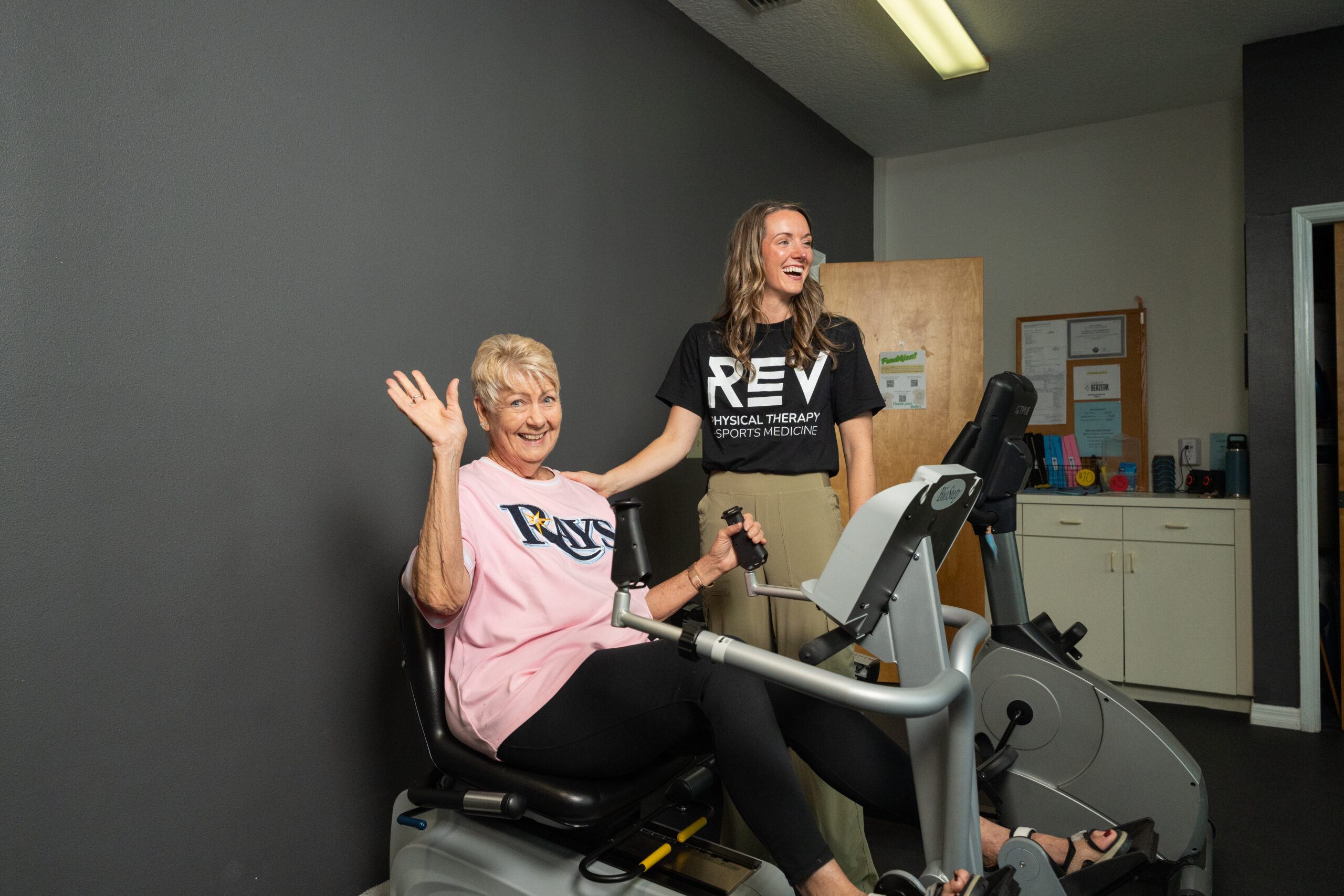
Primary Goals
  • Reduce swelling and inflammation
  • Restore full knee extension and flexion
  • Activate the quadriceps
  • Normalize walking mechanics
Interventions
  • Progressive weight-bearing
  • NMES & BFR for early strength

9–12 Months

Earn the Right to Progress

Develop enough strength and control to safely reintroduce running and higher impact.

Focus Areas
  • Quadriceps strength development
  • Single-leg control and endurance
  • Deceleration and movement control
Running Criteria

Introduced only when strength benchmarks are met, not just based on time. Structured loading progression.
Symmetry Wins

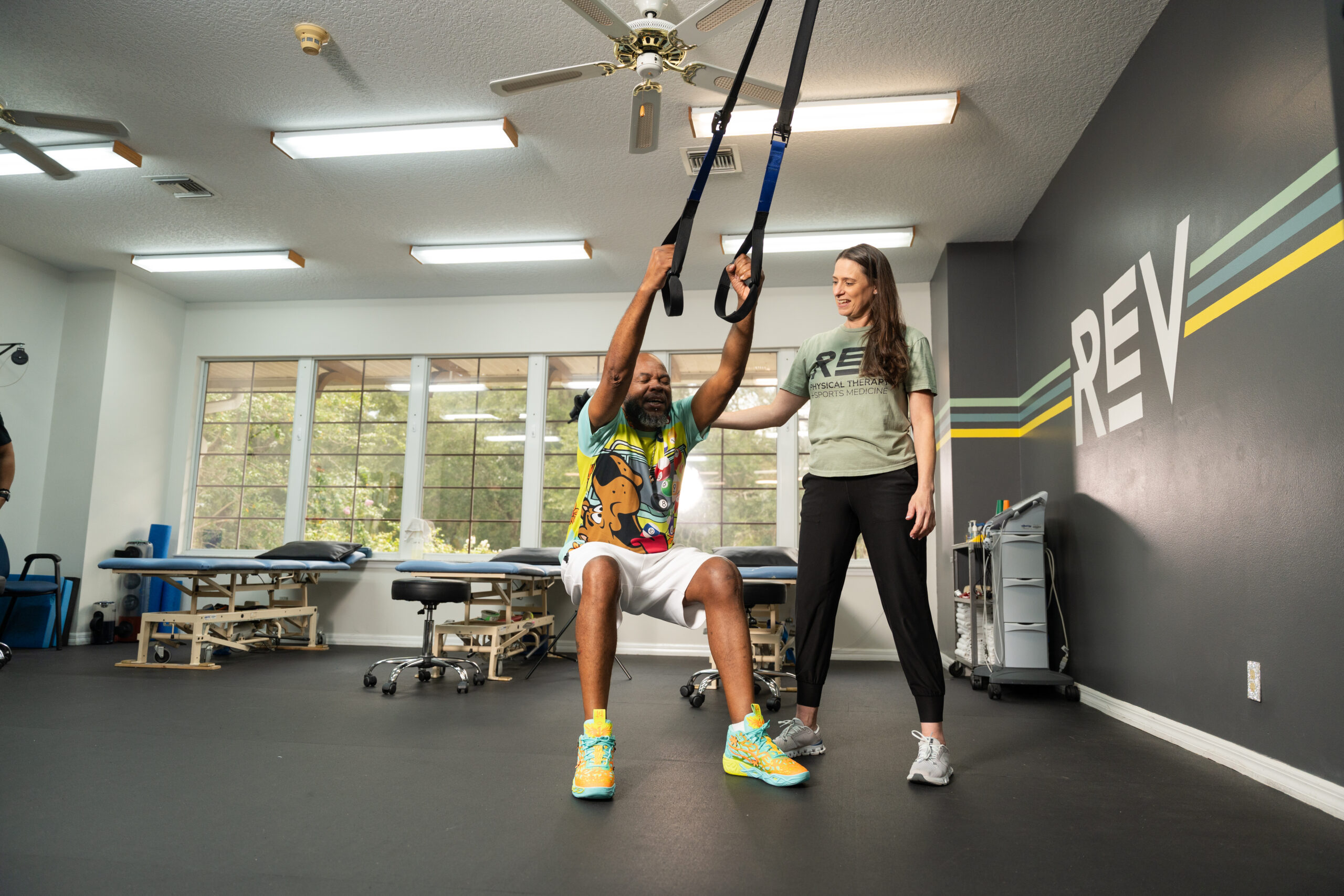
From Strength to Performance

Prepare for the chaotic demands of sport through higher-level strength, power, and agility work.

Key Benchmarks
  • Quad strength ≥ 90% symmetry
  • Hamstring-to-quad strength balance
  • Advanced strength and control testing
Performance Focus
  • Power production & Force absorption
  • Change of direction
  • Sport-specific movement
ACL recovery, real-world

Featured Athlete: Ravi Patel

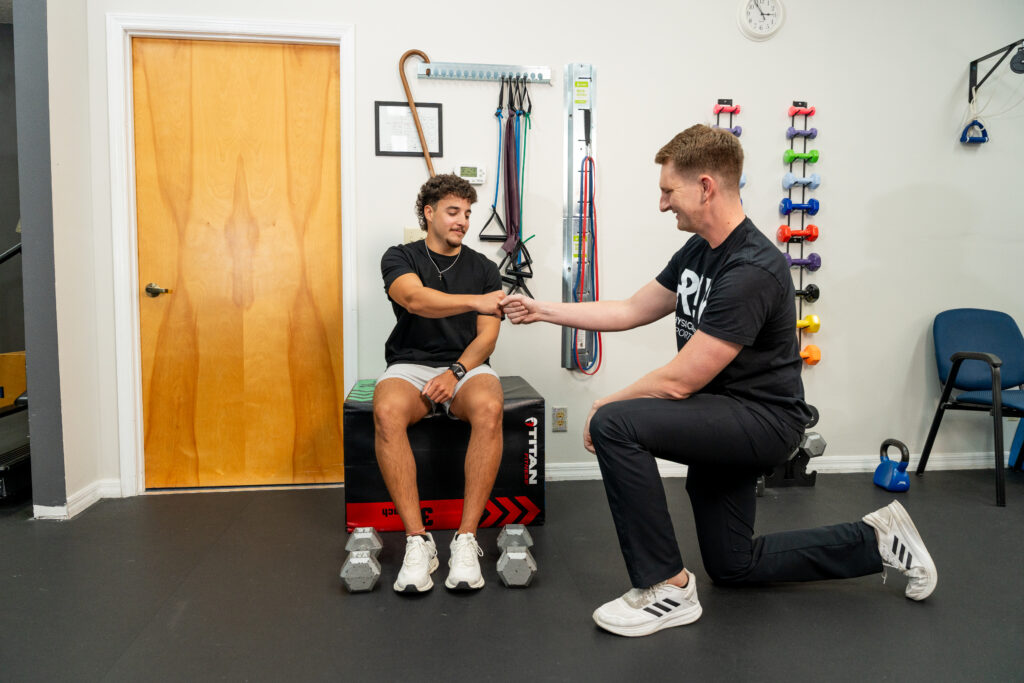
Ravi Patel is one of the athletes whose recovery shows what is possible when rehab is built on data, not assumptions. His progression from post-op restoration through return to sport demonstrates the value of objective benchmarking at every phase. Full case study coming soon.
What the data tells us about ACL injuries

  • Volume. Roughly 100,000–200,000 ACL reconstructions are performed in the United States each year, with non-contact mechanisms (cutting, pivoting, awkward landings) accounting for the majority of injuries.
  • Recovery window. Most patients return to high-level sport between 9 and 12 months post-surgery. Earlier returns are associated with significantly higher re-tear risk.
  • Quad symmetry matters. Quadriceps Limb Symmetry Index (LSI) at the time of return to sport is one of the strongest predictors of second ACL injury. Below 90% LSI, re-injury risk climbs sharply.
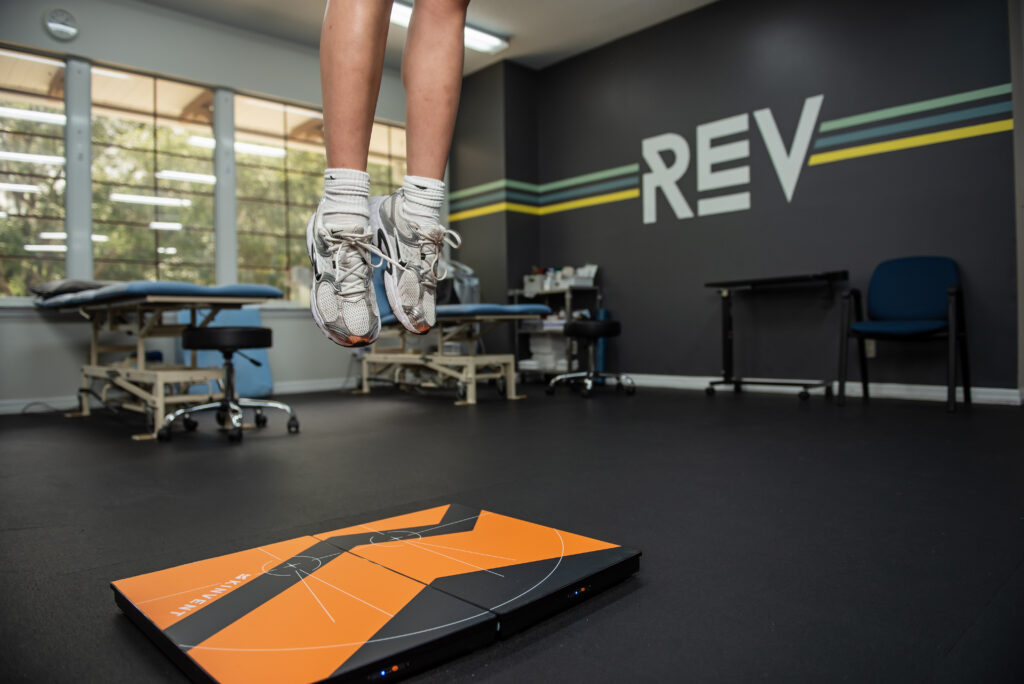
  • Testing changes outcomes. Programs that gate progression on objective testing (force plates, Tindeq dynamometry, hop and agility batteries) have demonstrably better return-to-sport rates than time-based protocols alone.
Why testing-driven progression matters

How REV Translates the Data

Why this is how we work

The decision to use force plates, Tindeq, and a structured testing battery at every phase is not a marketing line. It is the response to what the data on ACL recovery has shown for years: objective measurement is what separates athletes who return safely from athletes who re-injure.

Where ACL Athletes Fit in Our Phases

From pre-surgery prep to full return to sport, each phase has a purpose. Our process is built around clear benchmarks, advanced testing, and a plan that adapts to you.

Want to Be the Next Comeback Story?

Don't leave your recovery to chance. Get a data-driven plan designed for elite performance.