Phase 2: Return to
Run and Strength

Return to sport safely with clear benchmarks, expert guidance, and elite performance testing. We don't just heal your knee. We rebuild your athletic capacity.

Pre-Op

Pre-Surgery

Post-Op

After Surgery

Phase 1

Weeks 0–4

Phase 2

Weeks 5–12+

Phase 3

Weeks 20-36

Three Pillars of Phase 2

A structured, milestone-based approach to ensure you earn the right to progress at every stage of your recovery.
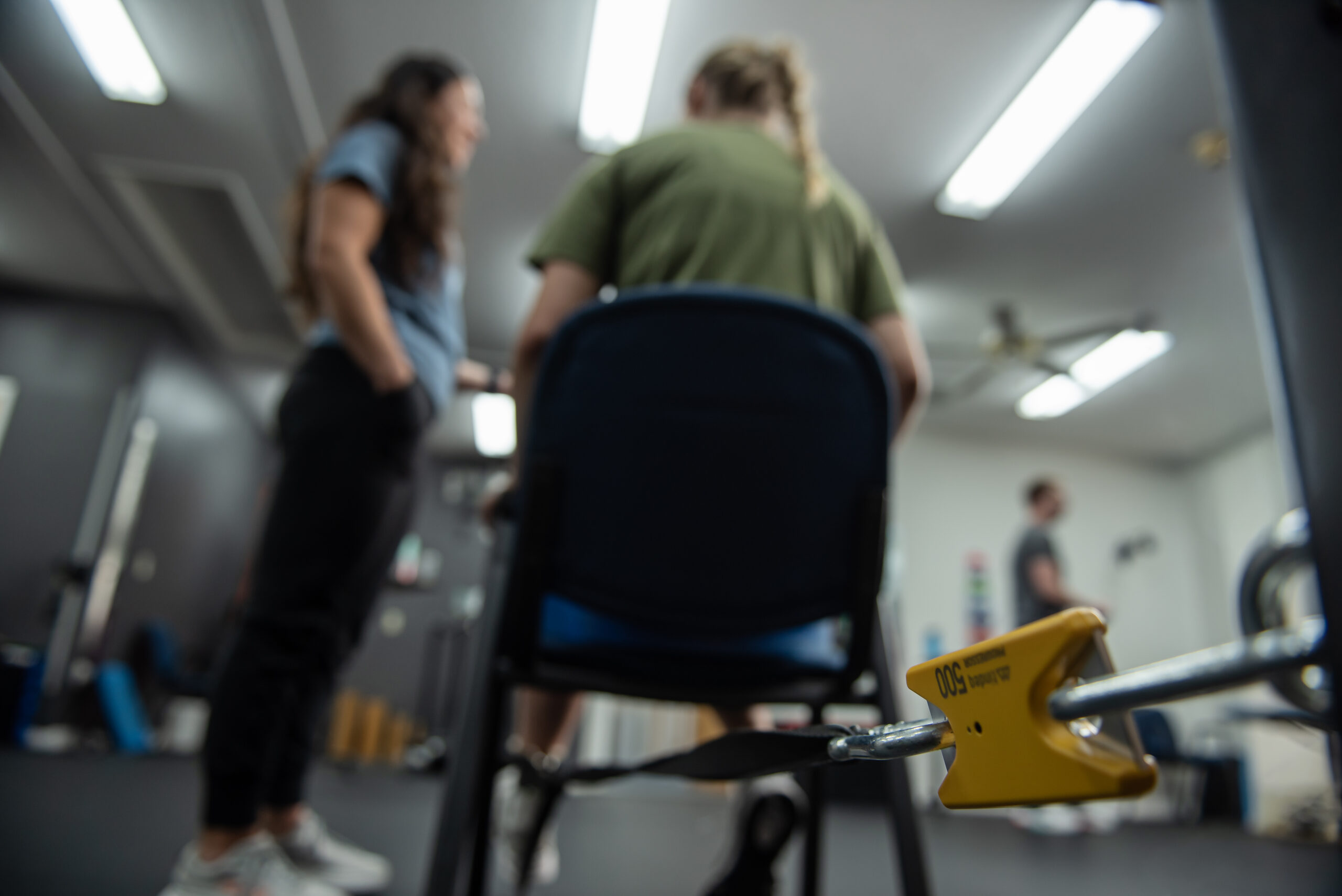
Quad 70–80% LSI

Build the Foundation Early

Reduce surgical stress and restore basic function so your knee can handle load again.
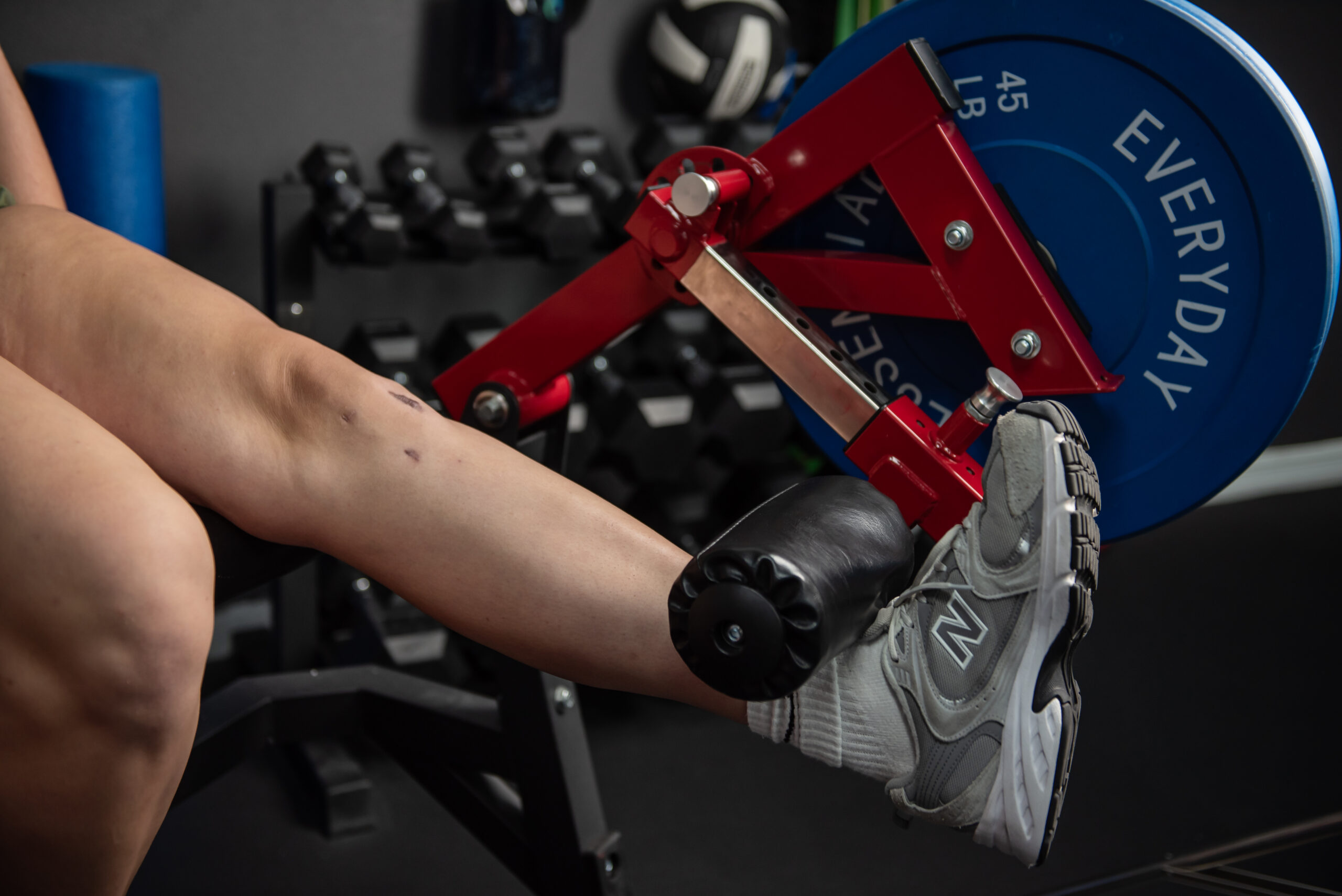
Primary Goals
  • Reduce swelling and inflammation
  • Restore full knee extension and flexion
  • Activate the quadriceps
  • Normalize walking mechanics
Interventions
  • Progressive weight-bearing
  • NMES & BFR for early strength

Single-Leg Endurance

Earn the Right to Progress

Develop enough strength and control to safely reintroduce running and higher impact.

Focus Areas
  • Quadriceps strength development
  • Single-leg control and endurance
  • Deceleration and movement control
Running Criteria

Introduced only when strength benchmarks are met, not just based on time. Structured loading progression.
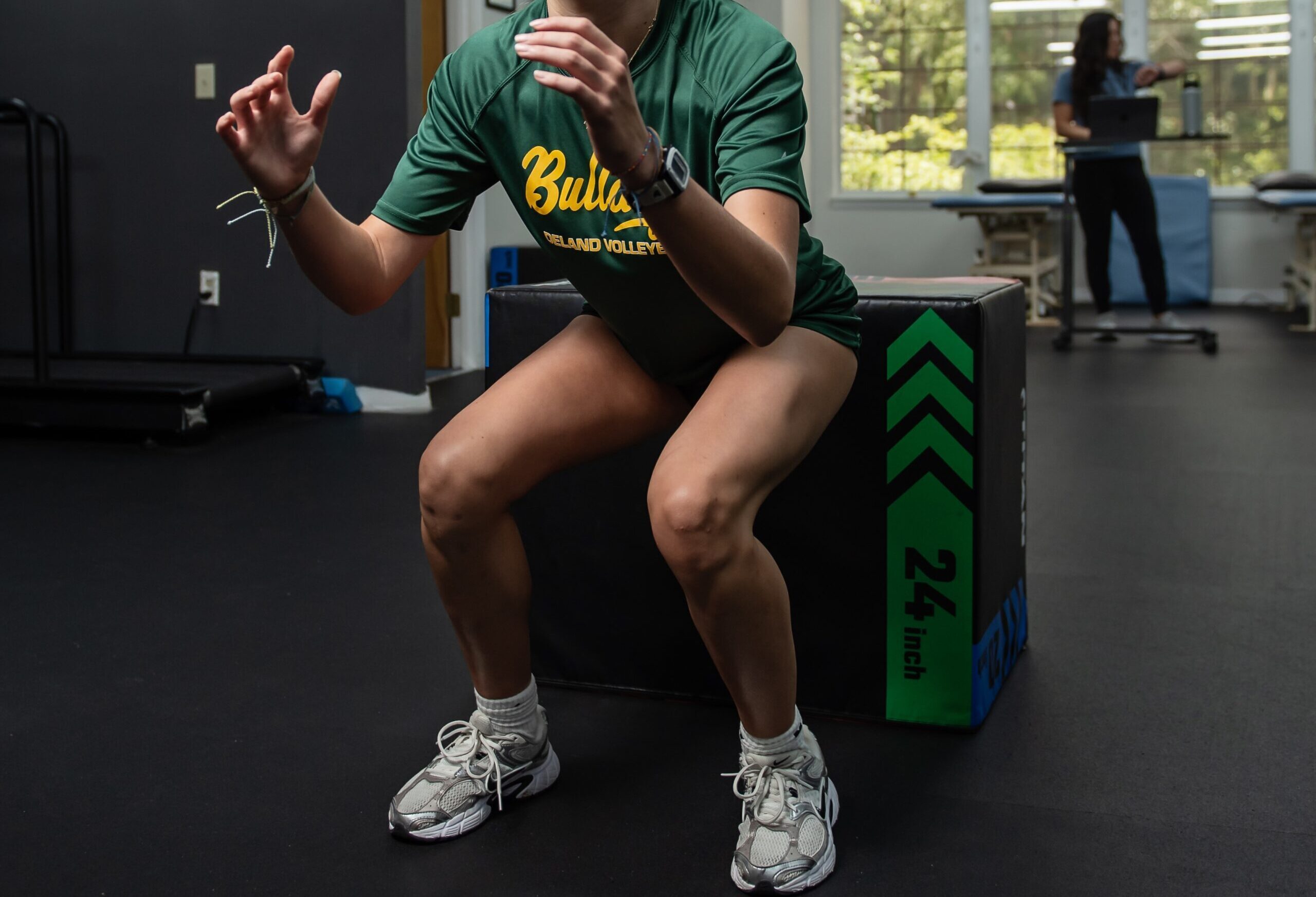
Deceleration Control

From Strength to Performance

Prepare for the chaotic demands of sport through higher-level strength, power, and agility work.

Key Benchmarks
  • Quad strength ≥ 90% symmetry
  • Hamstring-to-quad strength balance
  • Advanced strength and control testing
Performance Focus
  • Power production & Force absorption
  • Change of direction
  • Sport-specific movement
What you must demonstrate to start running

Criteria for Return to Run

During Phase 2, our focus is helping you successfully meet the criteria to start the return-to-run process. We do not clear you to run on the calendar; you earn it by hitting specific strength and endurance benchmarks.

Tested with our Tindeq dynamometer and on-floor benchmarks

  • Quadriceps strength. Surgical leg approximately 70–80% as strong as the non-surgical leg, based on Tindeq strength testing.
  • Single-leg step-downs. From an 8-inch box to failure, with approximately 70% of the strength and endurance of the non-surgical leg.
  • Single-leg glute bridge. From a 20-inch surface to failure, with approximately 70% of the strength and endurance of the non-surgical leg.
  • Single-leg calf raises. Performed with the front foot elevated, at about 70% of the other leg.
  • Single-leg wall sit. Held for 30 seconds, with both sides compared for endurance.
  • Deceleration training. Successfully performing drills that focus on slowing down and maintaining control through the knee without compensation or pain.

When can I start running?

Tentative start for return to run: no earlier than 12 weeks from surgery date, allowing time for proper healing of the surgical graft. After that, you start once you have cleared the criteria above, not when the calendar says.

From cleared-to-run to comfortable-running

Running Progression & Surgeon Timelines

Running progression

  • Gradually increasing running time and distance at home.
  • You receive an at-home return-to-run program tailored to your starting tolerance.
  • Volume increases step-by-step to safely build tolerance in the surgical knee.

Why our timeline sometimes differs from your surgeon’s

We are by no means “arguing” with the opinion of your surgeon if our timelines are different.

Surgical clearance to run is based mostly on timeline since surgical intervention and tissue healing guidelines. When they clear you for “return to run,” it is essentially handing you off to be tested and continually assessed for when you meet the appropriate muscular strength, endurance, and testing measurements to effectively perform that activity. Those qualifications are listed above.

Return to Run vs. Return to Sport

We progress you from controlled return to running to advanced sport readiness, building strength, stability, and confidence for high demand movements.


Return to Run

Focused on endurance and repeated loading capacity.

Key Question:

Can your body handle continuous impact?

Return to Sport

Focused on power, control, and unpredictability.

Key Question:

Can your body handle chaos, speed, and force?

Where Phase 2 Sits in Your Recovery

From pre-surgery prep to full return to sport, each phase has a purpose. Our process is built around clear benchmarks, advanced testing, and a plan that adapts to you.

Ready to Earn the Right to Run?

Don't leave your recovery to chance. Get a data-driven plan designed for elite performance.